



Description
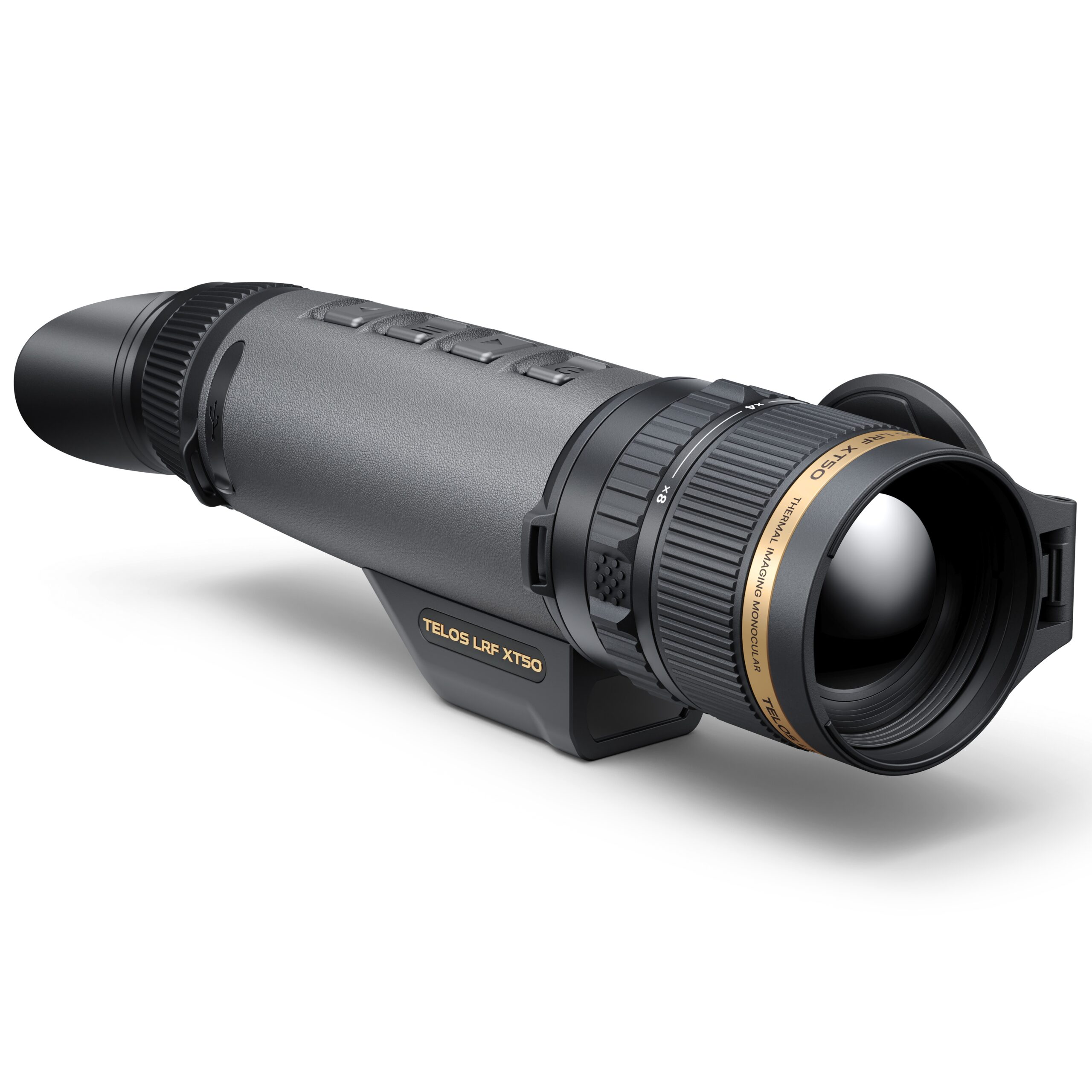
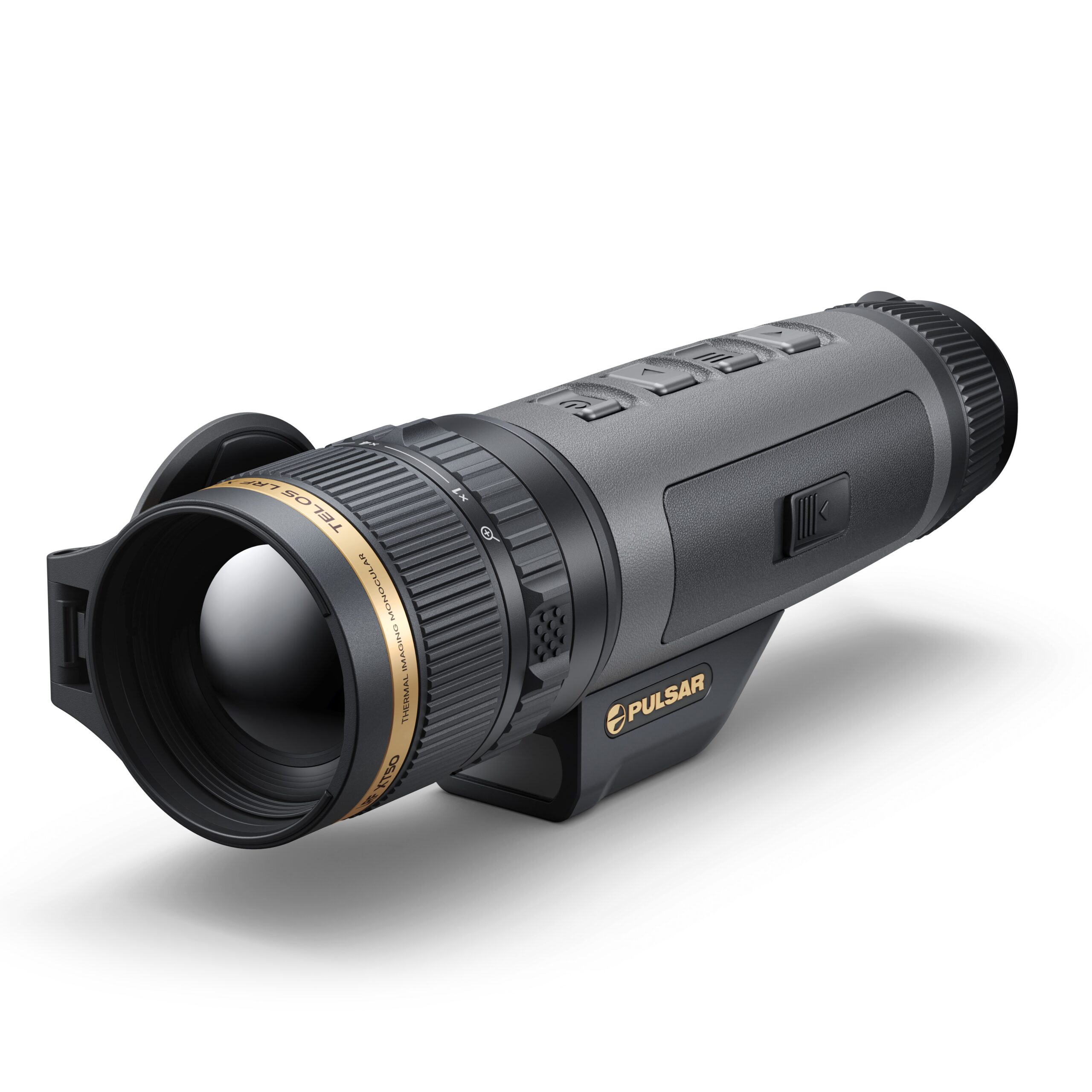
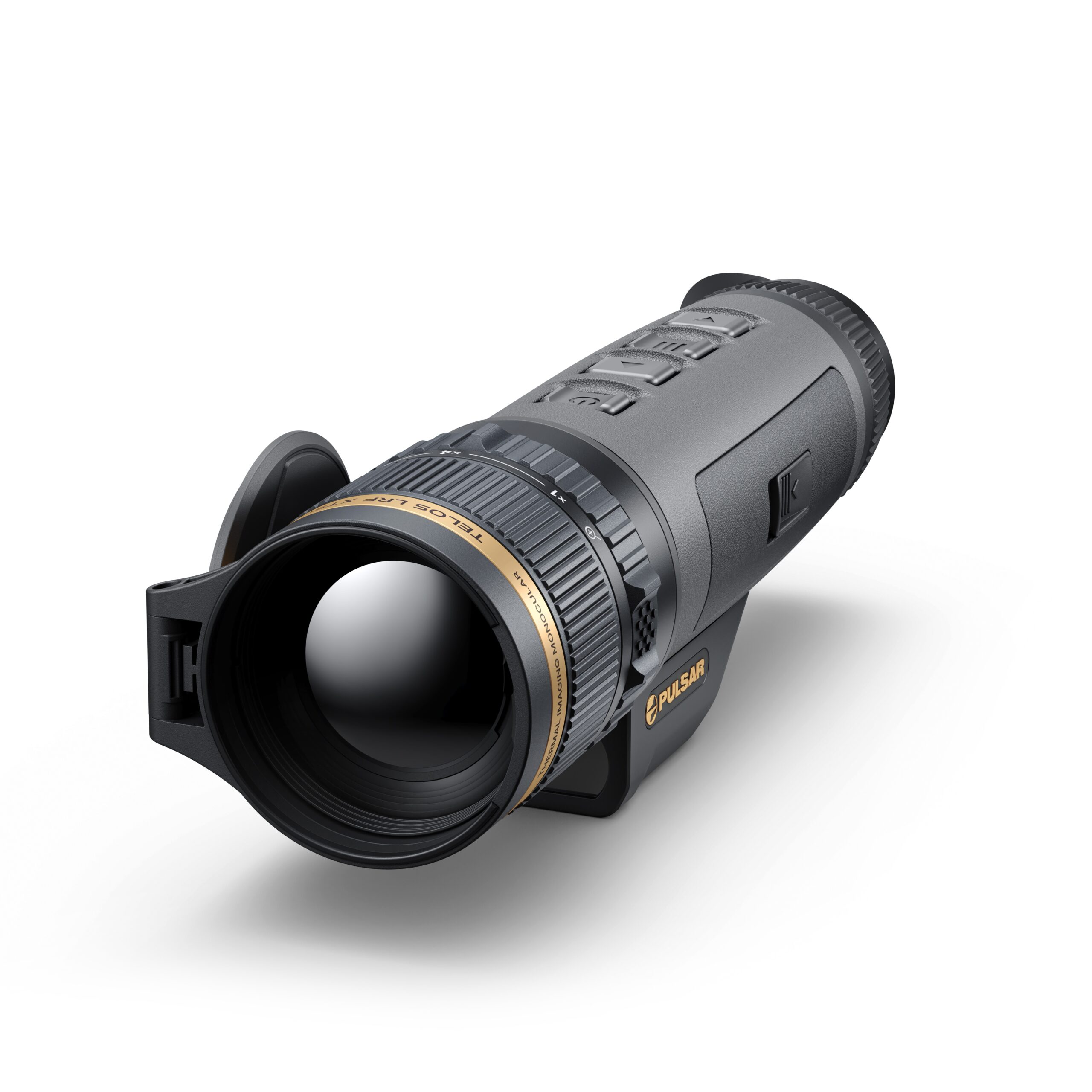
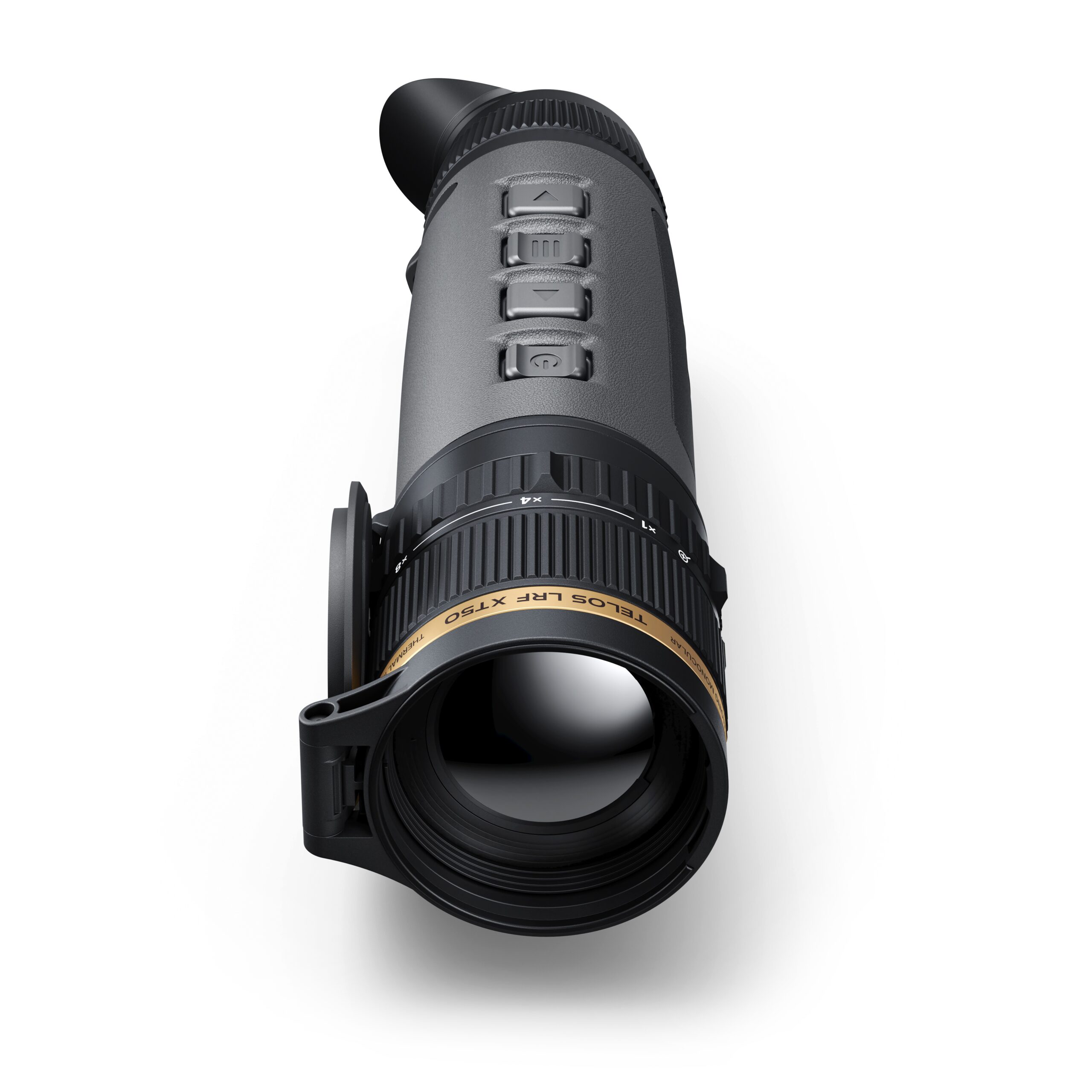
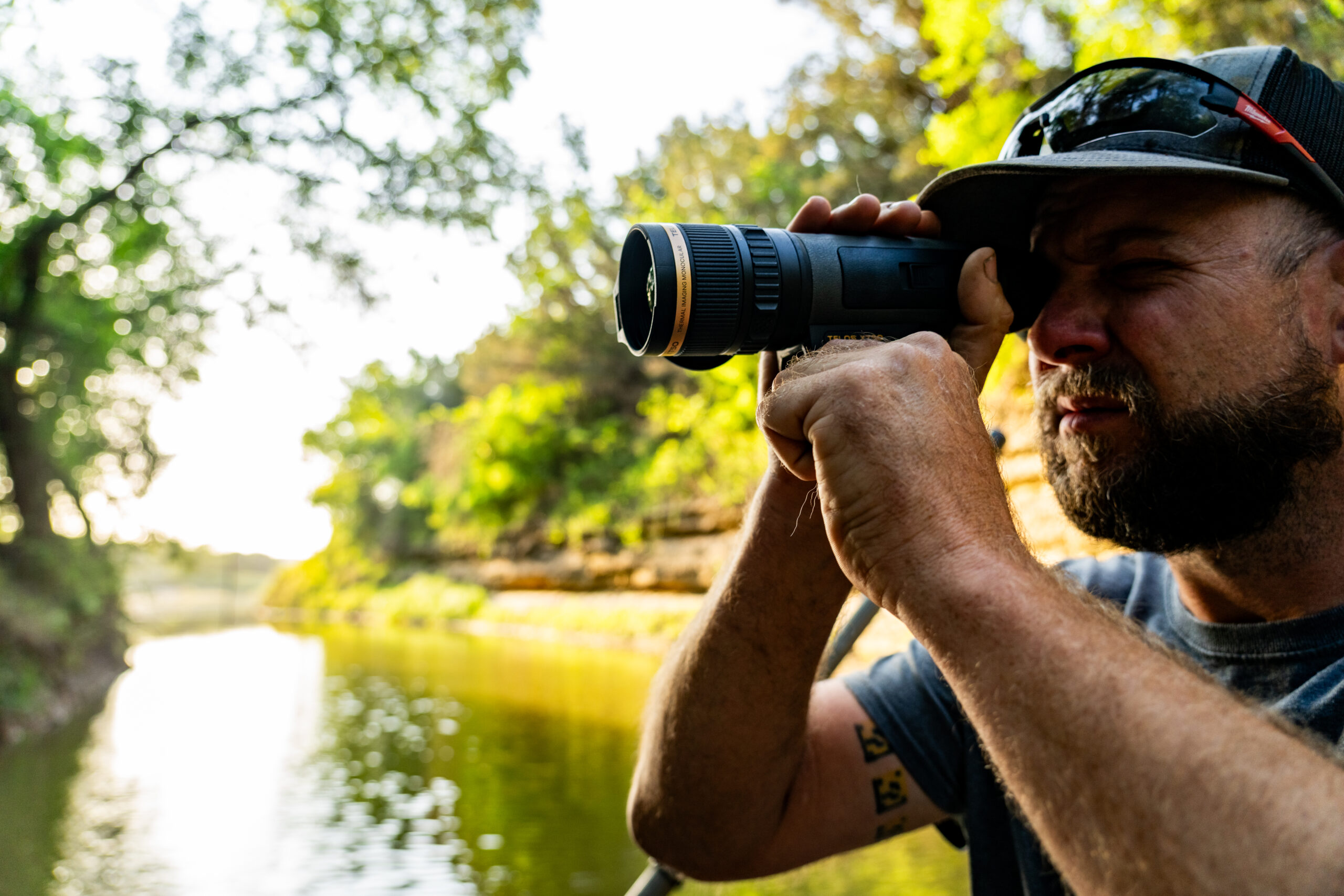
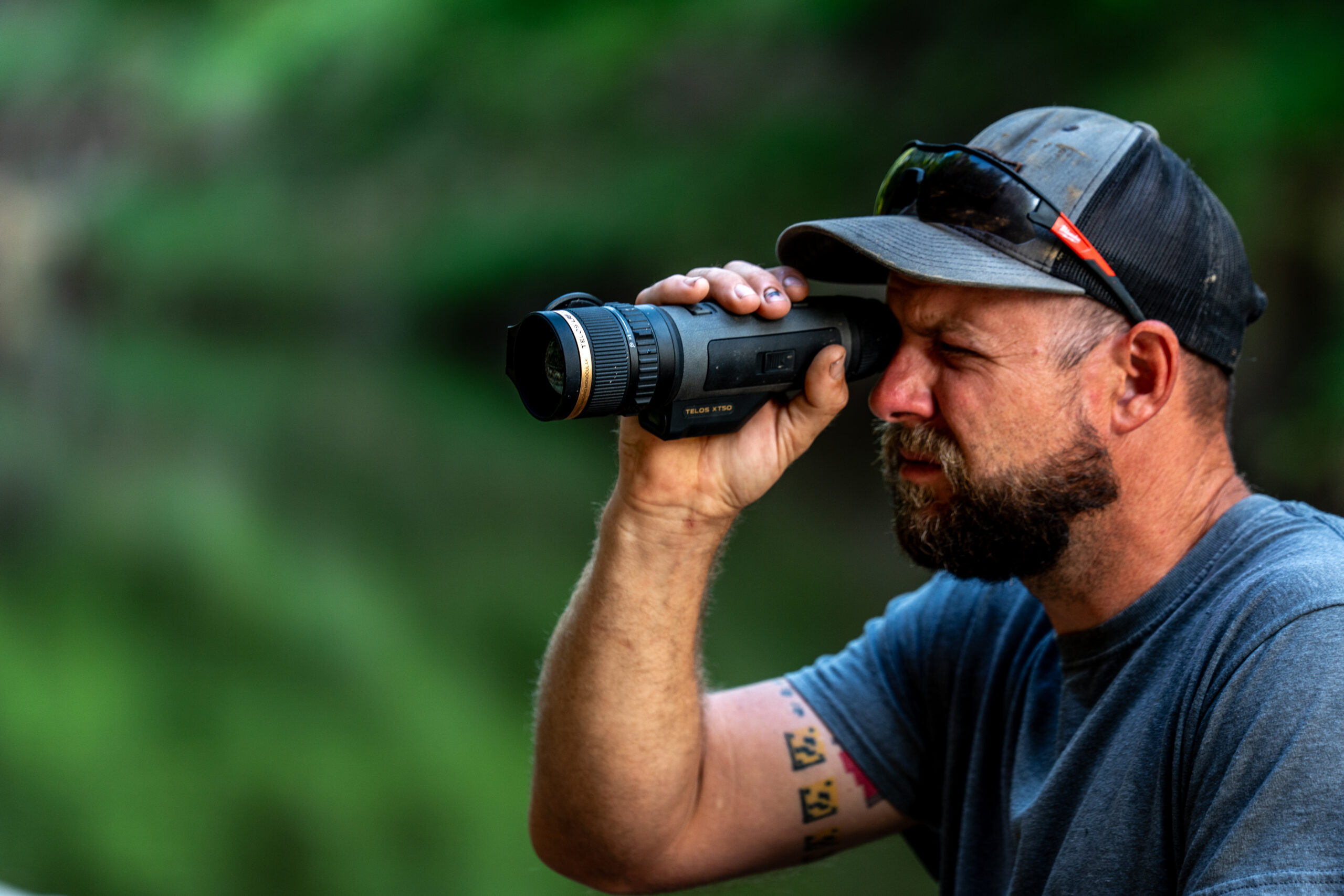
Pulsar Telos LRF XT50 Thermal Monocular
(2-16x Magnification and 2,515 yards of detection)
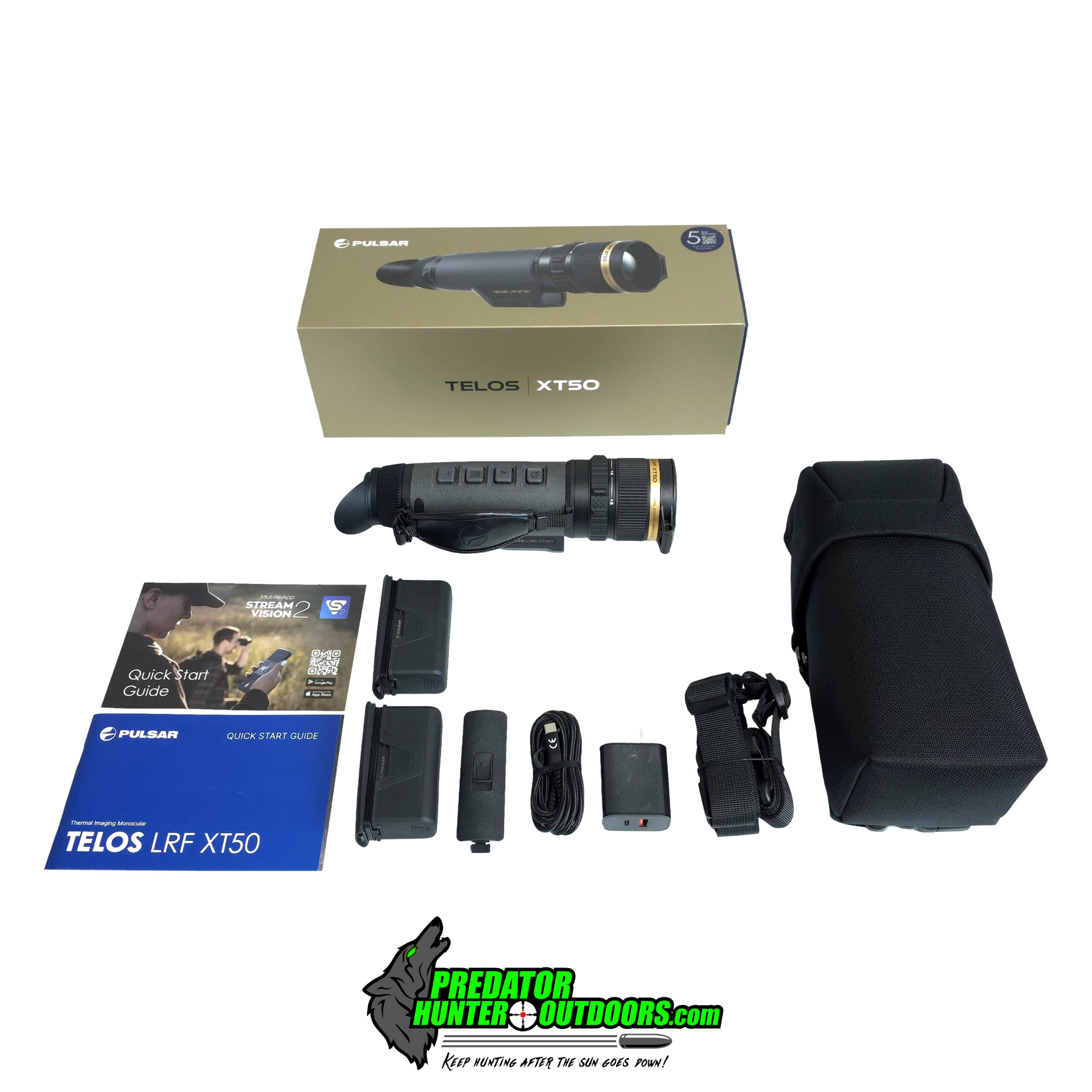
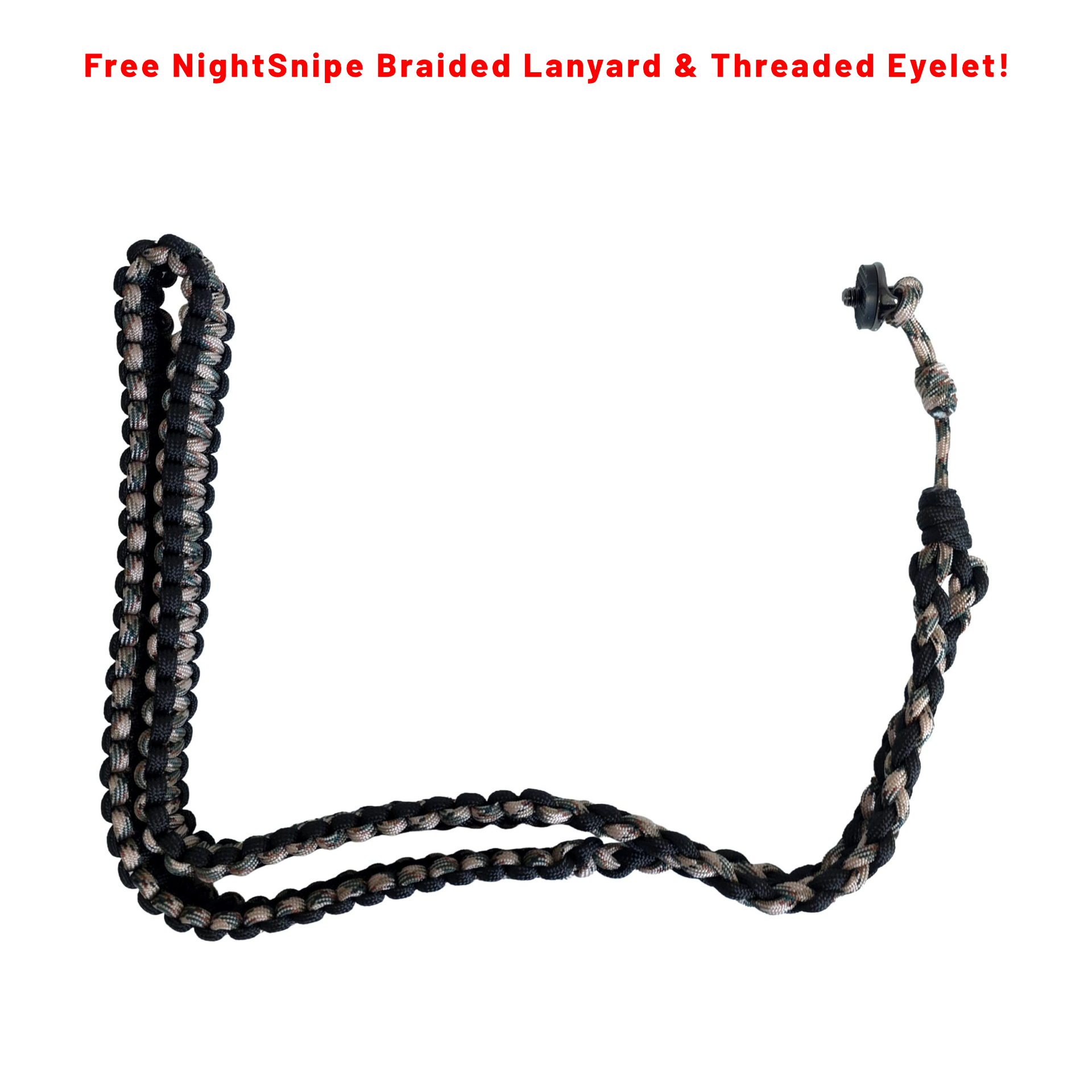
FREE Additional Pulsar LPS 7i Battery Pack & Braided Lanyard!
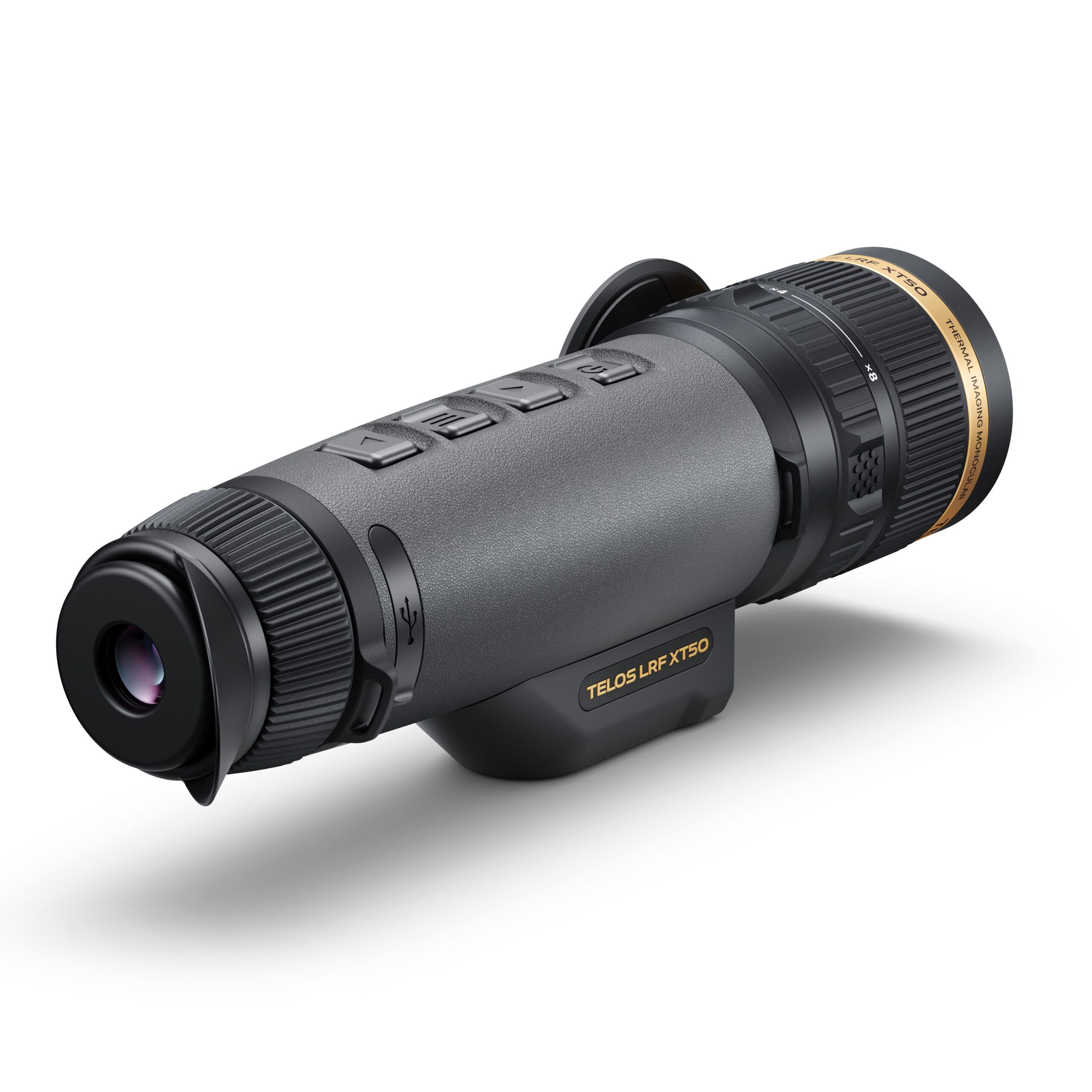
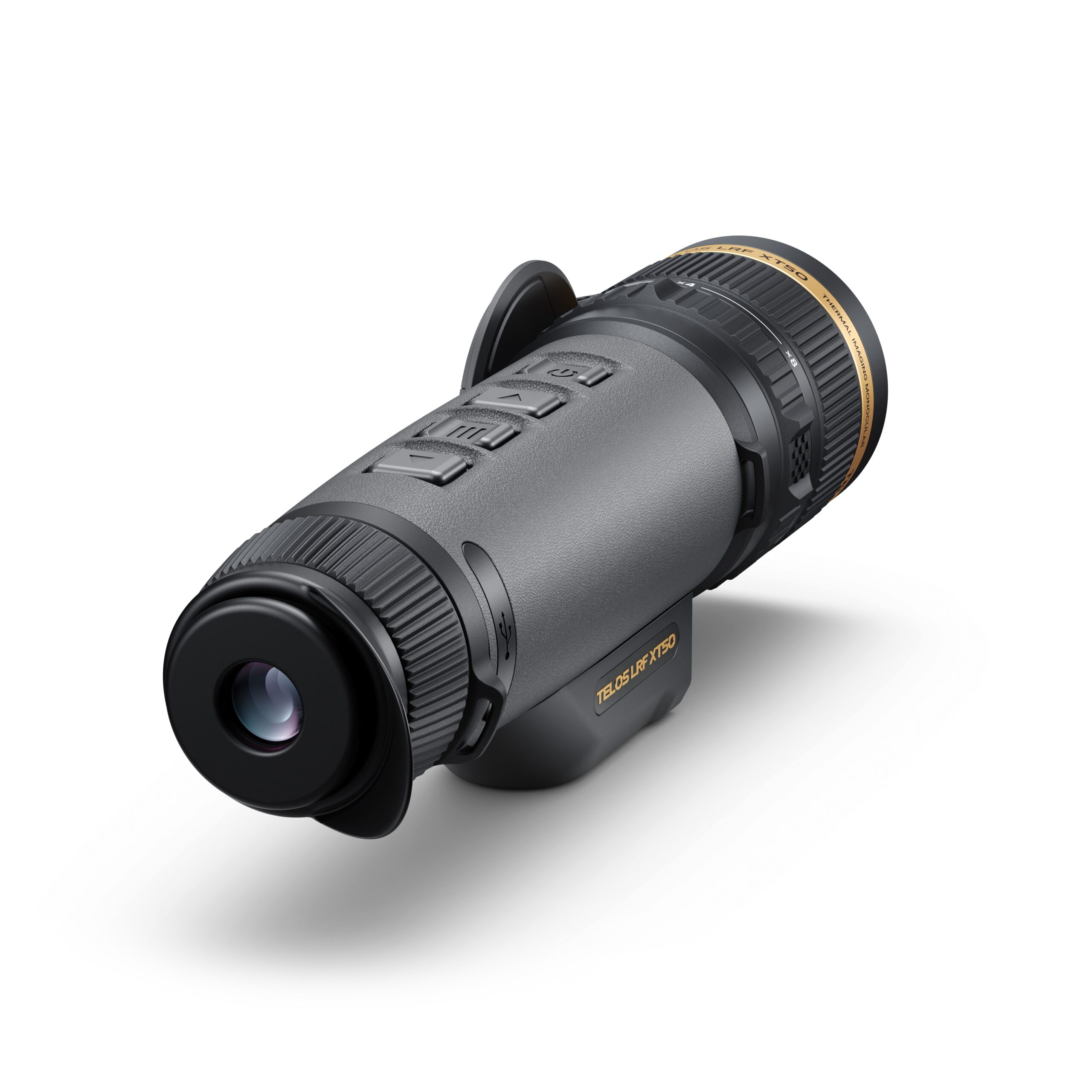
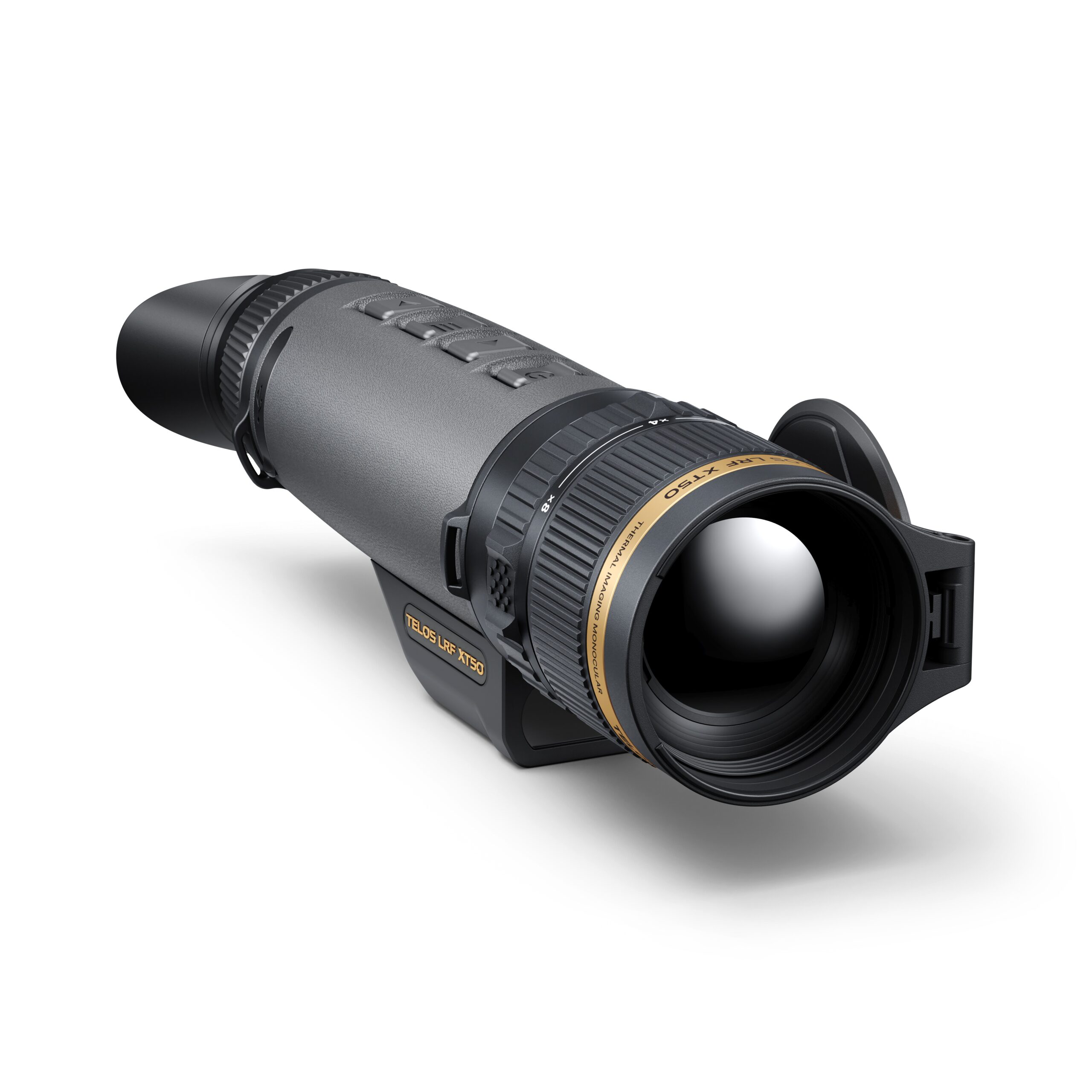
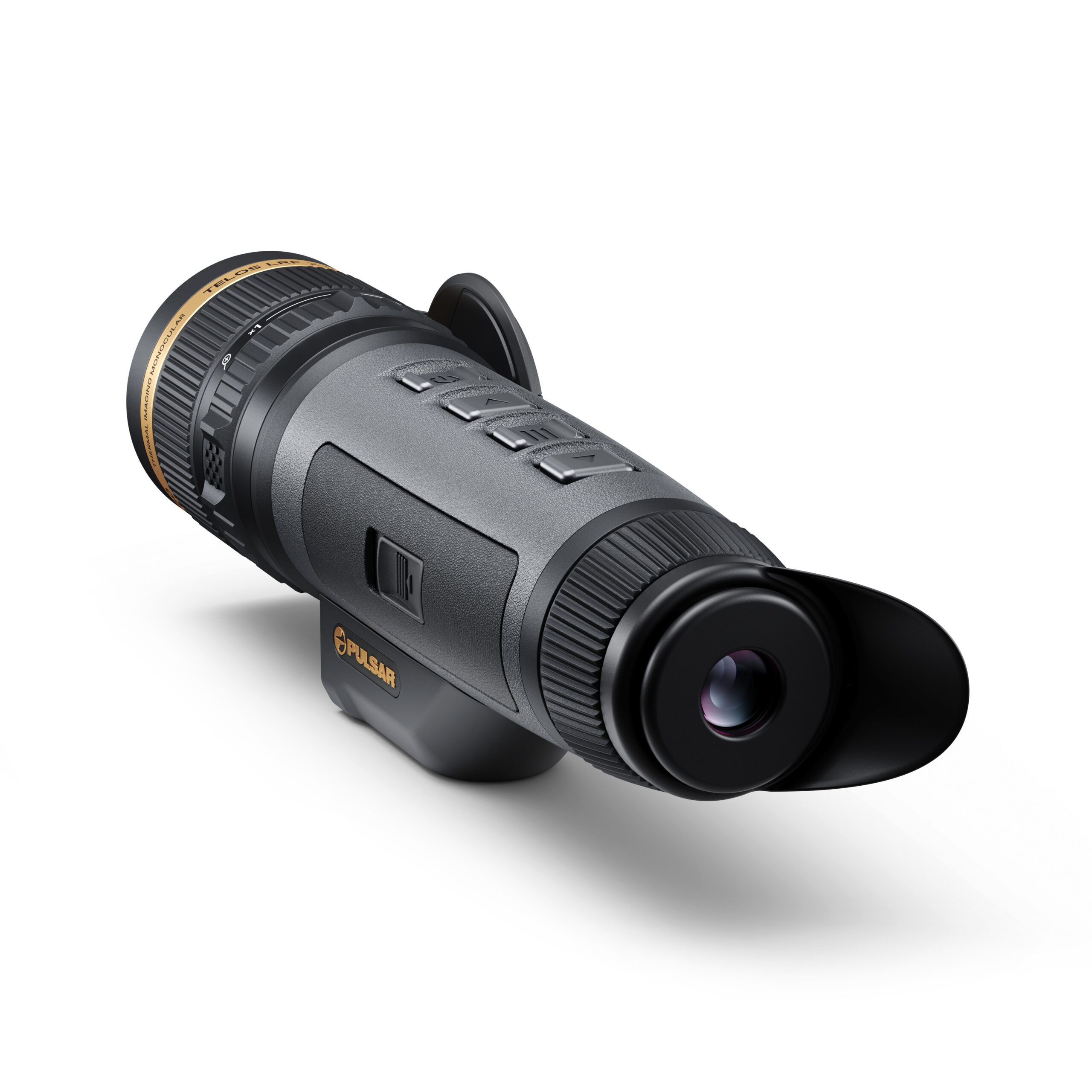
The Pulsar Telos LRF XT50 brings Pulsar’s Telos handheld platform into the 1280-class with a 1280×1024 HD thermal sensor, 2× base magnification, a wide 17.5° field of view, electronic image stabilization and an integrated 1,312-yard laser rangefinder.
For hunters who spend their nights scanning large crop fields, CRP, pastures, timber edges and open ground, those specifications work together exceptionally well. The 2× native magnification provides the wide viewing area needed to locate approaching game quickly, while the high-resolution sensor gives the XT50 considerably more image data to work with when magnification is increased.
The result is a premium handheld thermal scanner designed not only to detect heat at long distances, but to provide substantially more detail once you find it.
PHO Quick Take:
If your priority is maximum image quality in a handheld thermal monocular, the Telos LRF XT50 sits at the top of Pulsar’s current Telos lineup.
Its biggest advantage is not simply its published 2,515-yard detection distance. The real advantage is the combination of a 1280×1024 sensor, wide 17.5° field of view, 2× base magnification and electronic image stabilization.
That combination makes the XT50 particularly impressive for predator hunters who need to scan a lot of ground but still want the resolution available to examine distant heat signatures without immediately reaching for another optic.
Why the Telos LRF XT50 Stands Out
1280×1024 HD Thermal Sensor
At the heart of the Pulsar Telos LRF XT50 is a 1280×1024 uncooled thermal sensor with a 12 μm pixel pitch.
Compared with a traditional 640-class thermal monocular, the 1280 sensor captures substantially more thermal image information. That becomes especially important when you begin using digital magnification.
Every digital thermal loses some visible detail as magnification increases because the image is being enlarged digitally. Starting with 1280×1024 resolution gives the XT50 considerably more original image data to work with before that enlargement occurs.
For hunters, that can translate into better definition around an animal’s body, legs, head, ears and surrounding terrain when evaluating a heat signature at distance.
<20 mK System NETD Thermal Sensitivity
The XT50 carries a System NETD rating of less than 20 mK.
NETD measures how effectively a thermal imaging system can distinguish small temperature differences. Lower numbers generally indicate the ability to render finer thermal contrast when the target and background are close in temperature.
That becomes particularly useful during humid nights, warmer weather, changing temperatures and other lower-contrast conditions when inexpensive thermal devices may produce a flatter-looking image.
Wide 17.5° Field of View for Faster Scanning
One of the XT50’s strongest features for predator hunting is its exceptionally wide 17.5° horizontal field of view.
That translates to approximately:
30.7 meters wide at 100 meters
or approximately
92 feet wide at 100 yards
Combined with the low 2× base magnification, the XT50 allows you to cover considerably more terrain during each scan.
When you’re watching a large hay field, crop field or CRP ground for an animal that could appear virtually anywhere, a wide field of view can be just as important as extreme detection distance.
You spend less time sweeping back and forth and have a better chance of catching movement near the outside edges of your view.
2×–16× Magnification + Zoom Boost to 24×
The Pulsar Telos LRF XT50 provides 2× to 16× standard magnification, with Pulsar’s Zoom Boost extending digital magnification up to 24×.
The 2× starting magnification is ideal for scanning.
Once a heat signature is located, magnification can be increased to examine the animal or object more closely.
The XT50’s 1280×1024 sensor is especially beneficial here. Digital zoom cannot create information that the thermal sensor never captured, so beginning with a much higher-resolution image gives the optic more information to retain as magnification increases.
Electronic Image Stabilization
High magnification makes even small hand movements noticeable.
The Telos LRF XT50 incorporates electronic image stabilization to help reduce visible image movement when viewing distant targets at increased magnification.
This is particularly useful when trying to hold a distant animal in the center of the display while standing, scanning from a vehicle or making fine observations without immediately moving to a tripod.
It does not replace a stable shooting or observation rest, but it can make the upper end of the digital zoom range considerably more usable from the hand.
Built-In 1,312-Yard Laser Rangefinder
Detection tells you that something is there.
The integrated laser rangefinder tells you how far away it actually is.
The Pulsar Telos LRF XT50 incorporates a laser rangefinder capable of measurements out to:
1,200 meters / approximately 1,312 yards
with published accuracy of ±1 meter.
Both single measurements and continuous ranging can be used to check distances without lowering the thermal monocular and reaching for a separate rangefinder.
For predator hunting, that becomes especially useful at night when judging distance across an open field can be much more difficult than it appears through thermal.
1920×1080 Full HD AMOLED Display
A high-resolution thermal sensor deserves a display capable of showing the detail it captures.
The XT50 uses a 1920×1080 Full HD AMOLED display, providing considerably more display resolution than many conventional thermal handhelds.
The high-contrast AMOLED screen helps produce a crisp image with deep blacks, strong thermal separation and fine visible detail.
This combination of a 1280×1024 thermal sensor and Full HD display is one of the primary reasons the XT50 sits above lower-resolution Telos models.
Up to 2,515-Yard Thermal Detection
It is important to understand the difference between detection and identification.
A thermal monocular may detect the presence of a heat source at extreme distance without giving you enough visible detail to positively determine exactly what the target is.
Actual identification distance depends on numerous factors, including:
• Target size
• Humidity
• Ambient temperature
• Background temperature
• Terrain and vegetation
• Thermal settings
• Magnification
• Atmospheric conditions
• User experience
The XT50’s advantage is that its 1280-class sensor gives you considerably more image information to work with after detection occurs.
128GB Internal Photo & Video Recording
The Pulsar Telos LRF XT50 includes a large 128GB internal memory for recording thermal photos and videos directly through the monocular.
Video and photo resolution is up to 1440×1080.
This gives hunters plenty of onboard storage for saving hunts, reviewing animal behavior, recording unusual encounters or capturing footage without needing a separate external recorder.
Stream Vision 2 + Wireless Connectivity
The XT50 includes extensive wireless connectivity, including:
• Dual-band 2.4 GHz / 5 GHz Wi-Fi
• Bluetooth BLE 5.0
• NFC quick pairing
• Stream Vision 2 compatibility
• Stream Vision Ballistics compatibility
NFC simplifies connecting a compatible smartphone to the monocular, while Stream Vision 2 provides access to supported mobile connectivity features, media management and firmware functionality.
Replaceable Pulsar LPS 7i Battery
The Telos LRF XT50 uses Pulsar’s removable LPS 7i rechargeable Li-ion battery pack.
Published operating time is up to approximately 8 hours at 72°F / 22°C, depending on device use and conditions.
The LPS 7i can be charged through USB-C Power Delivery and also supports compatible wireless charging.
Because the battery is replaceable, hunters can simply carry a second charged battery for longer nights in the field.
Predator Hunter Outdoors Bonus
Your PHO package includes an:
FREE Additional Pulsar LPS 7i Battery Pack
Free NightSnipe Thermal Monocular Braided Lanyard
giving you a second battery right out of the box.
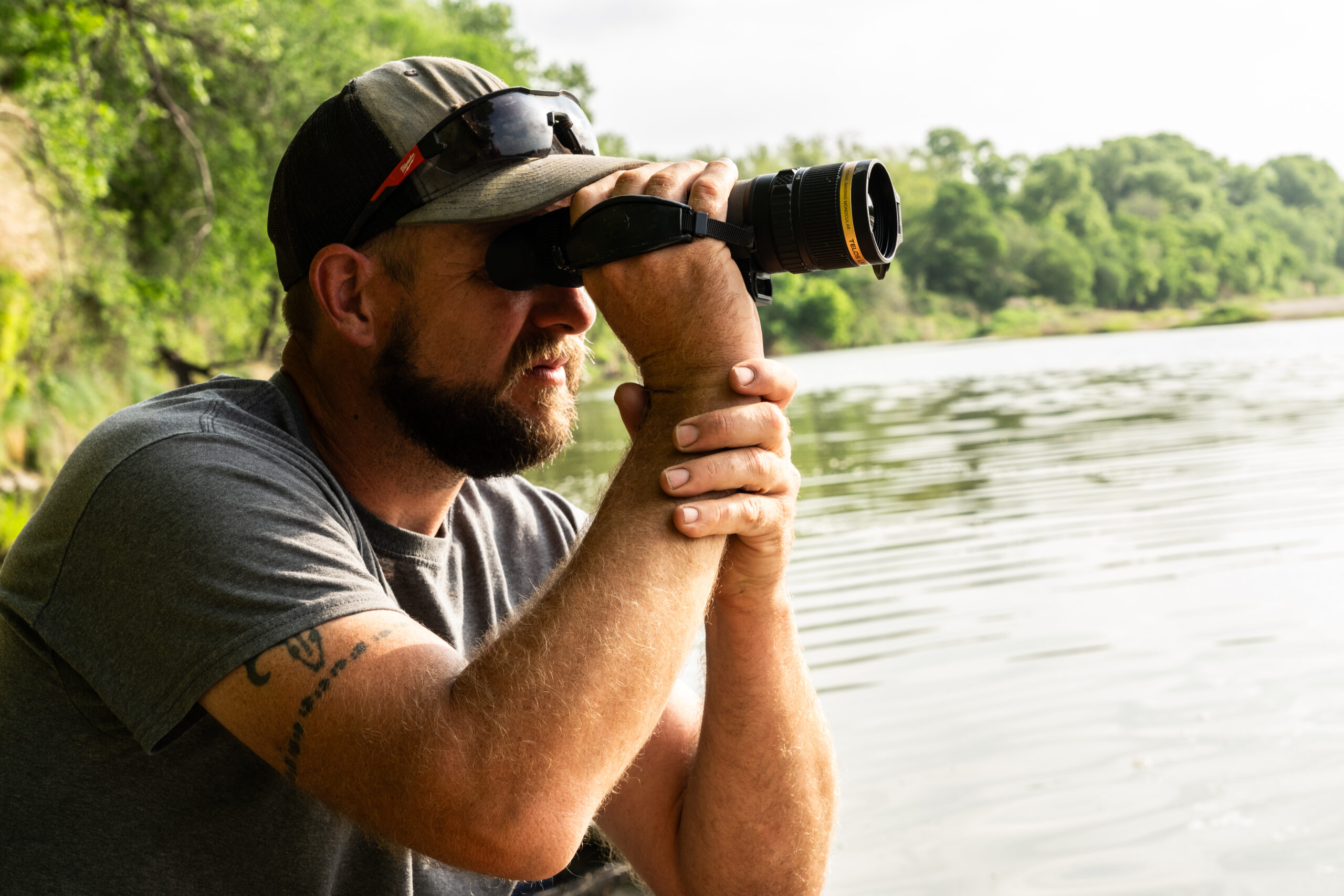
Designed for One-Handed Field Use
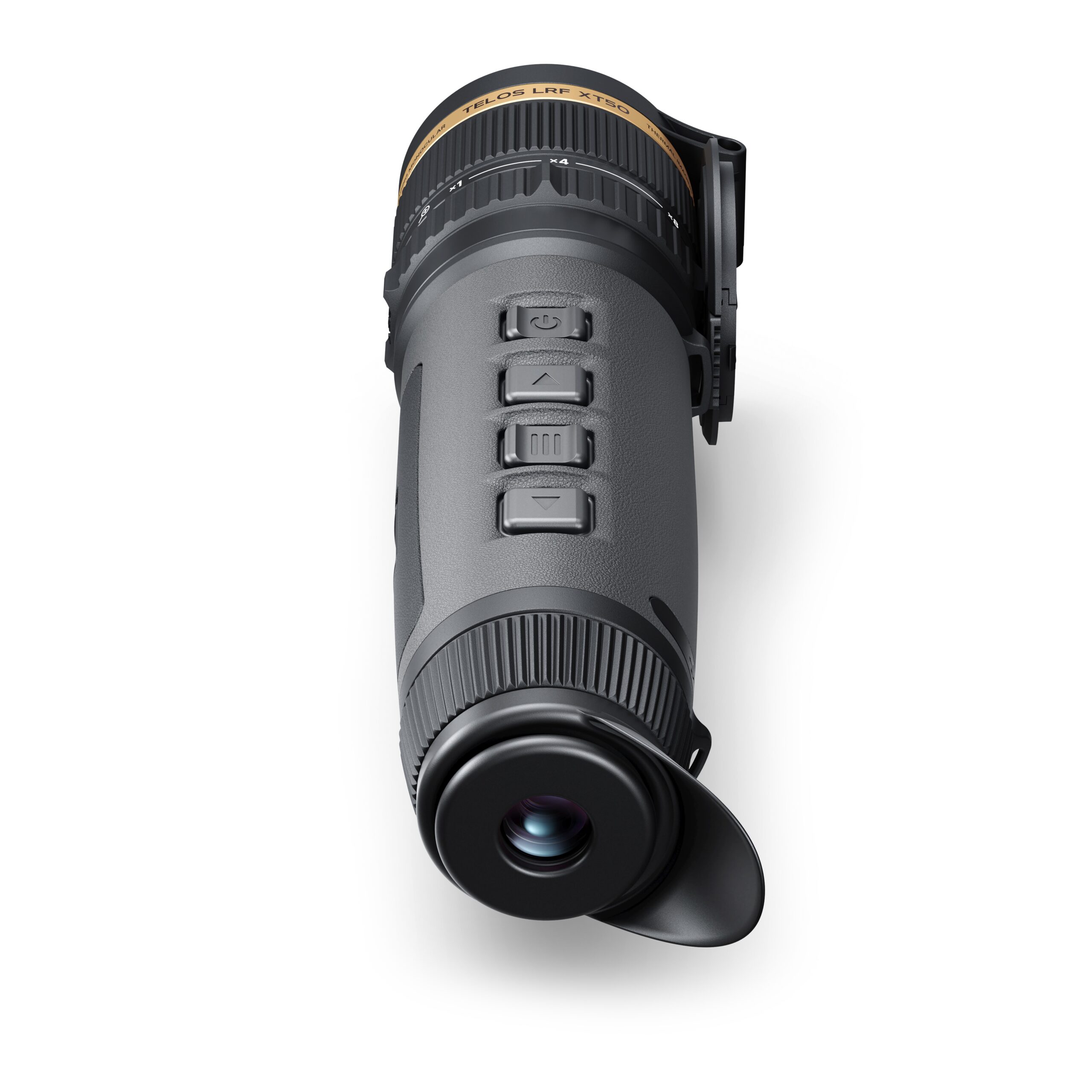
The Telos platform uses an ambidextrous control layout that can be operated comfortably with either hand.
Focus and magnification controls are positioned around the front objective area in a camera-style ring configuration, allowing hunters to adjust focus and zoom without constantly changing their grip.
The rubber-coated housing adds traction when the device is being used with gloves or in wet conditions, and the XT50 also incorporates haptic feedback for intuitive operation.
For extended stationary observation, the body includes a standard 1/4-inch tripod mounting point.
IPX7 Waterproof Construction
Thermal equipment used for predator hunting needs to tolerate more than perfect weather.
The Telos LRF XT50 carries an IPX7 waterproof rating and is designed to operate through rain, snow, moisture and demanding field conditions.
Manufacturer-rated operating temperature:
-13°F to 104°F (-25°C to +40°C)
That makes it suitable for everything from cold winter predator stands to warm-weather hog and wildlife observation.
Upgradeable Pulsar Telos Platform
One of the most unusual aspects of the Telos series is Pulsar’s hardware upgradeability concept.
Instead of treating the thermal monocular as a permanently fixed piece of hardware, Pulsar designed Telos so that certain components may be eligible for future factory upgrades as new technology becomes available.
Potential upgrade categories within the Telos platform include sensor and objective-lens upgrades, subject to Pulsar’s available upgrade programs and compatibility.
For buyers investing in a flagship thermal monocular, that gives Telos an interesting long-term advantage compared with conventional devices that cannot be upgraded beyond firmware.
Pulsar Telos LRF XT50 vs. XL50 vs. XP50
Choosing between Telos models should involve more than simply looking at detection distance.
| Feature | Telos LRF XT50 | Telos LRF XL50 | Telos LRF XP50 |
|---|---|---|---|
| Thermal Sensor | 1280×1024 | 1024×768 | 640×480 |
| Pixel Pitch | 12 μm | 12 μm | 17 μm |
| Base Magnification | 2× | 2.5× | 2.5× |
| Field of View | 17.5° | 14° | 12.4° |
| Standard Magnification | 2–16× | 2.5–20× | 2.5–10× |
| Display | 1920×1080 AMOLED | 1024×768 AMOLED | 1024×768 AMOLED |
| Laser Rangefinder | 1,200 m / 1,312 yd | 1,000 m / 1,094 yd | 1,000 m / 1,094 yd |
| Internal Memory | 128GB | 64GB | 64GB |
| Electronic Stabilization | Yes | — | — |
| Detection Range | 2,300 m | 2,300 m | 1,800 m |
XT50 vs. XL50
The XL50 already delivers excellent HD thermal performance with its 1024×768 sensor.
The XT50 moves another step higher with a 1280×1024 sensor, wider 17.5° field of view, Full HD display, longer-range LRF, larger internal memory and electronic stabilization.
If maximum monocular image quality and wide-area scanning are the goal, choose the XT50.
XT50 vs. XP50
The XP50 remains an excellent choice for hunters who want premium Pulsar performance without paying for a 1280-class sensor.
If you hunt primarily at moderate distances and don’t rely heavily on digital zoom, the XP50 may provide better value.
The XT50 is aimed at the buyer who specifically wants the additional resolution, wider viewing area and increased detail available from Pulsar’s flagship Telos.
Telos LRF XT50 vs. Merger LRF XT50
Both devices use Pulsar’s new 1280×1024 XT-class thermal sensor, but they are built around very different styles of hunting.
Choose the Telos LRF XT50 if you want:
• A more compact handheld thermal
• One-handed scanning
• Lower weight
• Easier carrying during mobile hunts
• A traditional monocular design
Choose the Merger LRF XT50 if you want:
• Comfortable two-eye viewing
• Long periods of continuous scanning
• A binocular-style thermal platform
• Maximum viewing comfort during stationary observation
For mobile predator hunting and quickly checking fields between stands, many hunters prefer the convenience of a monocular. For extended stationary scanning, binocular viewing can be more comfortable.
Pulsar Telos LRF XT50 Thermal Monocular Specifications:
| Specification | Details |
|---|---|
| Thermal Sensor | 1280×1024 |
| Pixel Pitch | 12 µm |
| System NETD | <20 mK |
| Frame Rate | 50 Hz |
| Objective Lens | F50/1.0 |
| Base Magnification | 2× |
| Magnification Range | 2×–16× |
| Zoom Boost | Up to 24× |
| Field of View | 17.5° |
| Thermal Detection Range | Approx. 2,515 yards |
| Laser Rangefinder | Approx. 1,312 yards |
| LRF Accuracy | ±1 meter |
| Display | 1920×1080 AMOLED HD |
| Video / Photo Resolution | 1440×1080 |
| Internal Memory | 128GB |
| Wi-Fi | 2.4 / 5 GHz |
| Bluetooth | BLE 5.0 |
| NFC | Yes |
| Waterproof Rating | IPX7 |
| Battery | Pulsar LPS 7i |
| Battery Capacity | 6400 mAh |
| Operating Time | Up to 8 hours |
| External Power | USB Type-C Power Delivery |
| Dimensions | 242 × 72 × 77 mm |
| Weight with Battery | Approx. 1.61 lbs. |
| SKU | PL77524 |


Reviews
There are no reviews yet.